 Website planning
Website Navigation That Helps Customers Find the Right Service
Plan clear service groups and menu labels, connect useful pages and test bilingual customer routes before adding more navigation.
Read the article
A customer may find your business on Google Maps, check your website, then call or send a WhatsApp message. If the name, opening hours, service area or contact route changes between those steps, the uncertainty can stop the enquiry. This checklist helps a Malaysian small business make those details agree without turning the exercise into an SEO gimmick.
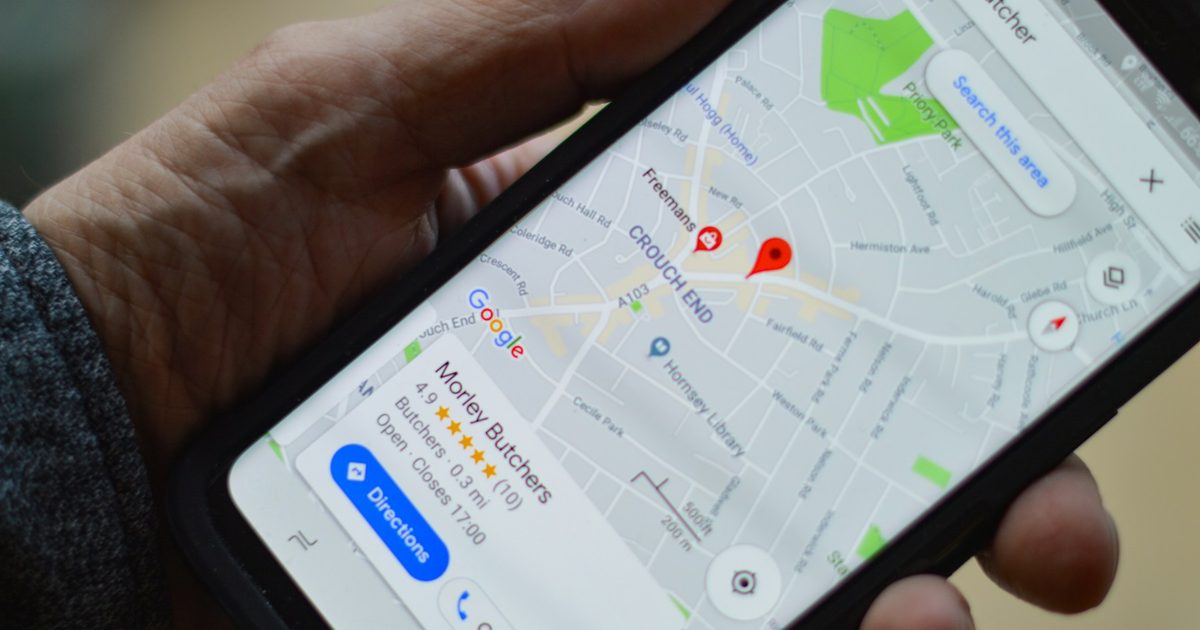
Start with a simple master record that the owner or manager controls. Include the public business name, primary phone number, website address, service or shop address, service areas, normal hours, special hours, main services and the person responsible for updates. This can be a shared document or spreadsheet; it does not need to be a complicated system.
The purpose is operational consistency. When a public holiday changes your hours, update the master record first, then work through Google Business Profile, the website, social profiles and any booking pages. Add the date and the person who checked each channel. That small record reduces the chance of an old promotion or contact number remaining online.
Do not copy information from one public listing to another without checking it. Listings can be edited, reformatted or left behind after a previous change. Use the current business record and confirm it with the person responsible for customers.
Your profile name should match the name customers see in the real world and on your website. Google’s official guidelines say a business should be represented consistently across signage, stationery and other branding, and warn against adding unnecessary details to the name. That means a name such as “Example Cabinet — Best Cheap Kitchen Cabinet KL” is not a sensible place to insert keywords unless that entire phrase is genuinely the business name.
Choose a primary category that describes the core business, then add only relevant secondary categories. A cabinet maker, renovation contractor and interior designer are not automatically interchangeable. Select the category that best represents what customers can actually obtain from the business. Explain the broader service range on the website instead of trying to fit every service into the profile name.
If the business has departments, branches or separate brands, check Google’s rules before creating additional profiles. Google’s guidance says there should generally be one profile per business; duplicate or misleading profiles can cause display problems.
A showroom that receives visitors needs a complete, accurate address and a map pin that leads to the correct entrance. A service-area business that visits customers may not need to display a private or administrative address. Google allows eligible businesses to specify service areas and, where appropriate, hide an address at which they do not meet customers.
On the website, explain the same arrangement in plain language: “Showroom visits by appointment in Bukit Jalil” is different from “We serve homes across Klang Valley”. Add parking, lift access, floor or landmark details when they prevent confusion. If a customer must book before visiting, say so beside the address rather than leaving it in a distant FAQ.
Test the map destination from a phone. Do not assume the pin is correct because the written address looks correct. If your office moves, plan the website, profile and customer-message updates together and allow for any verification steps required by the platform.
Opening hours answer a practical question: can the customer visit or expect a response now? Show hours that your team can actually maintain. If consultations are by appointment, state that instead of presenting the office as a walk-in shop. If sales and service teams operate differently, explain those differences on the relevant website page.
Google Business Profile supports main hours and special hours for holidays or temporary changes. Update public-holiday and festive-period hours before the closure, then check that your website does not contradict them. Malaysia has national and state holidays, so the person responsible should confirm which dates affect the actual location and team.
Avoid promising “24/7” because a WhatsApp number can receive messages at any time. Receiving a message is not the same as providing round-the-clock service. A short response expectation, written honestly, is more useful.

The main website field can point to the homepage, but category-specific appointment, order or service links should lead to the relevant destination when the profile supports them. A visitor looking for kitchen-cabinet consultation should not need to search through an unrelated company introduction before finding the process and contact option.
The landing page should repeat the business identity, explain the service, show the service area or location where relevant, and provide a working next step. Our guide to service pages that answer buying questions can help you review the content. Then use the enquiry-brief checklist to keep the initial form or WhatsApp handover manageable.
Use the full secure URL beginning with https:// and test it while signed out. Check redirects, language selection and mobile behaviour. A link that opens correctly for the business owner may still fail for a first-time visitor if it depends on an account, saved session or unpublished preview.
If you are setting up a ready-made business website, include this destination-page check in the launch review so the profile links to the final published page.
Upload current photographs that help customers recognise the business, team, entrance, products or completed work. Google notes that an exterior photo can help customers recognise a business when they visit. On the website, distinguish real projects from template or stock imagery. A caption such as “illustrative stock image” is clearer than allowing visitors to assume it shows your actual showroom or work.
Remove or replace images that no longer represent the premises, branding or service. Check that team and customer photographs were used with appropriate permission. Avoid adding phone numbers, excessive promotional text or misleading graphics to images merely to attract attention.
Descriptions should remain factual. Google’s profile guidelines focus business descriptions on useful information about products, services, mission and history rather than links, promotional prices or sales language. Put detailed offers and their conditions on a maintained website page, then keep profile information concise.

LocalBusiness structured data can describe details such as the business name, address, telephone and opening hours in a machine-readable format. Google’s Search Central documentation recommends using the most specific business subtype that fits and validating the markup with the Rich Results Test.
The markup should agree with information visitors can see on the page. Do not add a fake address, invented review rating or services that the page does not support. Structured data can help search engines understand a page, but Google does not guarantee that a particular search feature will appear. It is not a shortcut around accurate content or platform policies.
Whenever the business moves, changes hours or updates a phone number, include structured data in the same change list. Otherwise, the visible page and the code can quietly drift apart.
Once a month, search for the business name on Google while signed out and review the visible name, category, phone, website link, address or service area, hours and photos. Open the website from the profile, test the main contact action and confirm the message reaches the right person. Review both English and Simplified Chinese pages when both are offered.
Also run the check after a move, rebrand, phone-number change, holiday-hours update, new service, discontinued offer or website launch. Record what changed and what still needs approval. Some profile edits are reviewed before going live, so a saved edit should not be treated as immediately published.
Consistency will not guarantee rankings or enquiries. It does remove avoidable uncertainty and gives customers a clearer route from discovery to conversation. If the website itself needs a more focused structure, review the five-page ready-made website, browse available templates, or compare custom website services according to the actual scope required.
Website planningPlan clear service groups and menu labels, connect useful pages and test bilingual customer routes before adding more navigation.
Read the article Website planning
A practical handover plan for Malaysian small businesses: separate domain, hosting and email, check usable files and test enquiries before switching.
Read the article Website planning
Choose a complete first release, defer extras with clear reasons and use real customer questions to guide your next website improvement.
Read the articleLET’S TALK ABOUT YOUR WEBSITE
A new website or a fresh direction for your existing one. Tell us about your business and what you’d like to achieve.
Tell us about your project